What to Expect During a Construction Audit
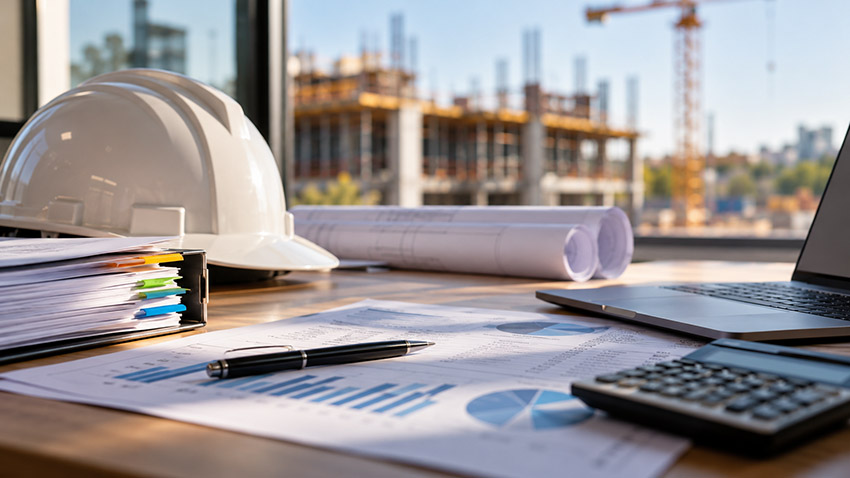
A construction audit involves more than financial records. From WIP schedules and project estimates to preparing your team for auditor questions, knowing what to expect can make a big difference. Here’s a look at how the process works, what auditors typically review, and how to prepare for a smoother audit.
A financial statement audit of a construction company involves more than reviewing accounting records. Auditors may need information from project managers, accounting staff, and other members of your team to understand how contracts, job costs, and project estimates are reflected in your financial reporting.
For employees who aren’t accustomed to working with auditors, those requests can come as a surprise. And when responsibilities aren’t clear, gathering information can become more time-consuming than necessary.
Construction companies may undergo audits to meet lender requirements, support surety bonding relationships, satisfy contractual obligations, or provide stakeholders with independently audited financial information.
Whatever the reason for your audit, understanding what to expect and preparing your team beforehand can make the experience much more manageable.
Why Are Construction Company Audits Different?
Construction contracts often span multiple reporting periods, which means financial results can depend on how project progress, costs, and estimates are accounted for before the work is complete.
Auditors need to understand how activity in the field translates into the company’s financial statements, including:
- Work-in-progress (WIP) schedules: How project progress, costs incurred, and estimated costs to complete affect reported revenue.
- Contracts and change orders: How contract terms, modifications, and additional work are documented and accounted for.
- Job costs: Whether labor, materials, subcontractor expenses, and other costs are accurately assigned to projects.
- Retainage and receivables: How outstanding payments are recorded and evaluated for collectibility.
These details matter because construction financial reporting often relies on estimates about work that isn’t finished. A change in a project’s expected costs or profitability can affect the company’s reported financial results.
What Happens During a Construction Audit?
Most construction financial statement audits follow four general stages , although the specific procedures will depend on your company’s operations and financial reporting risks.
Step 1: Planning and Initial Information Requests
The audit typically begins with conversations about your company’s operations, accounting practices, and significant financial developments during the year.
Your auditor will also provide an initial list of requested documents, which may include:
- Financial statements, general ledger, and account reconciliations
- Work-in-progress (WIP) schedules and job cost reports
- Construction contracts and change orders
- Accounts receivable, retainage, and payable schedules
- Information about accounting procedures and internal controls
This is also the time to establish a timeline, identify key contacts, and determine who will be responsible for gathering the requested information.
Step 2: Understanding Your Company’s Operations
Auditors need to understand how information moves from the job site into your financial records.
That may involve conversations with project managers, accounting personnel, and company leadership about how budgets are updated, costs are tracked, change orders are approved, and project progress is evaluated.
These discussions are a normal part of the audit. They help auditors understand how the company operates, identify areas of financial reporting risk, and determine where testing should be focused.
Step 3: Testing Financial Records and Project Information
Once auditors understand your operations, they examine selected financial records and supporting documentation.
For construction companies, particular attention often goes to WIP schedules, project profitability estimates, contract terms, job costs, and outstanding receivables.
Consider a project where the estimated cost to complete has increased significantly. An auditor may examine what caused the increase, how management updated the estimate, and whether the resulting impact on revenue and profitability was properly reflected in the financial statements.
Auditors may also review contract modifications, test selected expenses, evaluate retainage balances, and examine whether costs and revenue were recorded in the appropriate periods.
Not every transaction will be reviewed. Auditors use risk assessments, sampling, and other procedures to gather the evidence needed to support their conclusions.
Step 4: Reviewing Findings and Finalizing the Audit
As testing concludes, your auditor may request additional documentation, discuss potential accounting adjustments, or ask management to clarify certain estimates and transactions.
After completing the necessary procedures and evaluating the findings, the auditor issues a report expressing an opinion on the company’s financial statements.
That opinion provides reasonable assurance that the financial statements are free from material misstatement, not a guarantee that every error or instance of fraud has been detected.
How to Prepare Your Team Before the Auditors Arrive
A smoother construction audit starts with making sure the right people understand what’s expected of them.
Your accounting department will likely coordinate the engagement, but project managers, payroll personnel, and other employees may also need to provide information or answer questions.
Before fieldwork begins, take these steps:
- Assign an audit coordinator: Designate one person to manage requests, track deadlines, and serve as the primary contact between your team and the auditors.
- Brief your project managers: Explain why auditors may ask about project progress, estimated costs to complete, change orders, and significant changes in job profitability.
- Clarify responsibilities: Identify who will provide financial records, project documentation, payroll information, and other requested materials.
- Establish a communication process: Make sure employees know how audit requests will be distributed, when responses are needed, and whom to contact with questions.
- Make key personnel available: Coordinate schedules so employees with firsthand knowledge of significant projects can respond to questions without unnecessary delays.
- Encourage accurate answers: Employees should answer questions directly and verify information when they’re unsure rather than making assumptions.
The goal isn’t to turn your project managers into accounting experts. It’s to make sure they understand why their knowledge matters and are prepared to contribute when needed.
Common Issues That Can Slow Down a Construction Audit
Even with your team prepared, problems in the underlying financial records can lead to additional questions and testing.
Some of the most common include:
- Inconsistent WIP reporting: Project schedules don’t reconcile with the general ledger, or estimates haven’t been updated to reflect current conditions.
- Missing change order documentation: Additional work has been performed, but approvals, contract modifications, or supporting records are incomplete.
- Unexplained changes in project profitability: Significant shifts in estimated costs or margins haven’t been adequately documented.
- Incomplete receivables and retainage records: Outstanding balances lack the supporting information auditors need to evaluate them.
- Unrecorded project losses: Updated estimates indicate a project may lose money, but the potential loss hasn’t been properly evaluated or reflected in the financial records.
These issues don’t automatically mean the financial statements are misstated. However, they can require additional investigation, documentation, or adjustments.
Reviewing project-level financial information before fieldwork gives your accounting and operations teams an opportunity to resolve discrepancies while there’s still time.
What Happens After the Construction Audit?
The audit report marks the end of the engagement, but it can also provide a starting point for improving your financial reporting.
Once the audit is complete, take time to:
- Review the findings: Discuss any proposed adjustments, significant issues, or identified internal control deficiencies with your auditor.
- Identify improvements: Determine whether changes to project reporting, documentation, or accounting procedures are needed.
- Assign responsibility: Make sure someone is accountable for addressing issues and following through on necessary changes.
Don’t let those findings sit until next year’s audit. Addressing them while the details are fresh can prevent the same problems from resurfacing.
Construction Audit FAQs
How long does a construction company audit take?
The timeline depends on your company’s size, project complexity, and the condition of your financial records. Having reconciled accounts, updated WIP schedules, and supporting documentation ready can help reduce delays.
What documents are needed for a construction audit?
Requirements vary, but auditors generally need accounting records, project-level financial information, and supporting documentation for significant balances and estimates. Request the auditor’s prepared-by-client (PBC) list early so your team can identify missing information and assign responsibilities before fieldwork.
Will auditors need to speak with project managers?
Possibly. Project managers often have firsthand knowledge of project progress, cost estimates, change orders, and potential overruns. Their input can help auditors evaluate the estimates reflected in your financial statements.
Does a construction audit include visiting job sites?
Not necessarily. Most financial statement audit procedures focus on accounting records, supporting documentation, and discussions with company personnel. However, auditors may visit selected job sites when circumstances warrant additional verification.
Make Your Next Construction Audit More Manageable
A well-managed audit starts with accurate project information, organized financial records, and a team that understands its responsibilities. It also helps to work with auditors who understand the connection between construction operations and financial reporting.
Templeton Advisors brings construction industry experience to financial statement audits, including the complexities of long-term contracts, evolving project estimates, and WIP reporting. Our team works closely with management to establish expectations, communicate requests, and keep the engagement moving.
Preparing for an upcoming audit? Talk to our audit team to discuss your company’s needs.